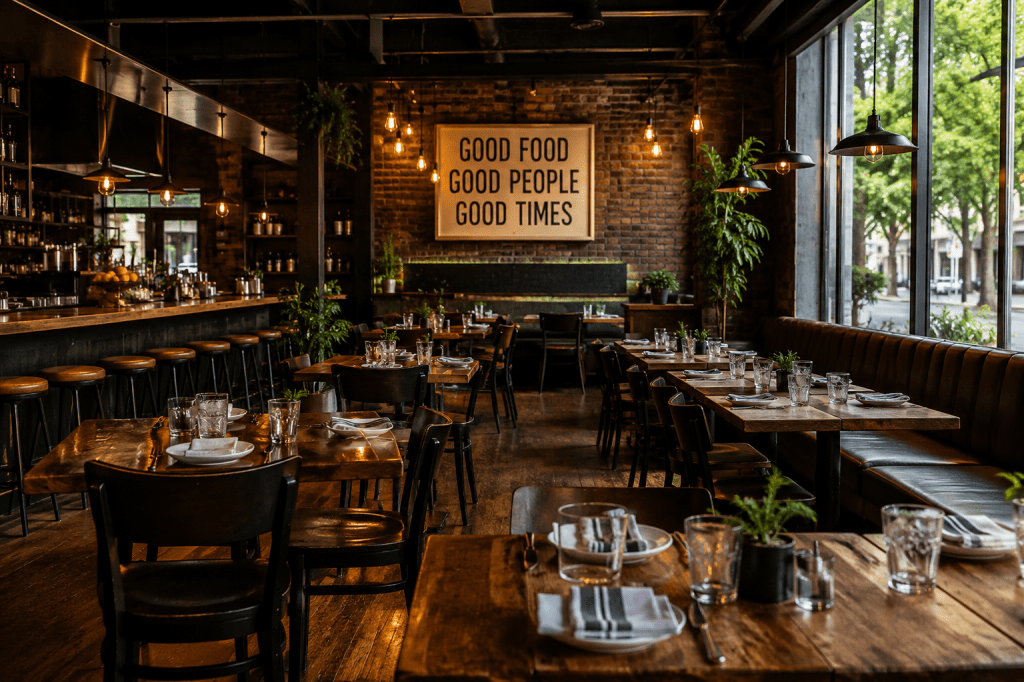
When people think about the restaurant industry, they often picture the big names.
McDonald’s. Chick-fil-A. Olive Garden. Texas Roadhouse.
Those companies deserve credit for what they’ve built. They employ hundreds of thousands of people, serve millions of customers, and have become household names.
But the heart of the restaurant industry has always been the independent restaurant.
The family-owned diner that’s been around for 40 years.
The husband-and-wife pizza shop.
The neighborhood barbecue joint.
The chef who took a chance and opened their first restaurant.
These businesses do far more than serve food. They help build communities, create jobs, support local economies, and keep America’s foodservice industry diverse and innovative.
They Take Enormous Risks
Opening a restaurant definitely isn’t easy.
Most independent owners invest years of savings, take out loans, sign long-term leases, purchase expensive equipment, hire employees, and hope enough people walk through the door. Just watch an episode of Kitchen Nightmares or Bar Rescue to find out.
Unlike large chains, they don’t have hundreds of locations helping spread the risk.
If business slows down for a few months, they feel it immediately.
A broken walk-in cooler, rising food costs, an unexpected roof repair, or a slow tourist season can quickly become major financial challenges.
Many owners work six or seven days a week.
They’re often the first person in the building and the last one to leave.
On any given day they might be the owner, manager, cook, dishwasher, accountant, HR department, plumber, and therapist for their employees.
Most people only see the finished plate.
Very few see everything it took just to get that plate to the table.
They Keep Money in the Local Economy
When you eat at an independent restaurant, your money often stays close to home.
It helps pay local employees.
It helps local business owners support their families.
It helps nearby contractors, service companies, accountants, maintenance providers, and countless other small businesses.
Many independent restaurants also purchase products from local bakeries, seafood companies, farms, breweries, coffee roasters, and specialty food producers whenever possible.
One successful restaurant can create an entire network of economic activity around it.
They Create Character
Think about your hometown.
What places do people recommend when friends come to visit?
It’s usually not the national chain located next to the interstate.
It’s the restaurant that’s unique. The one that stands out
The seafood restaurant that’s been there for decades.
The little Italian place everyone knows.
The breakfast café that’s always packed on Saturday mornings.
Those restaurants become part of a city’s identity.
People celebrate birthdays there.
First dates happen there.
Business deals are made there.
Families gather after little league games.
Over time, those restaurants become woven into the memories of an entire community.
They Drive Innovation
One thing I’ve learned working in foodservice is that many of today’s trends don’t start in large corporate boardrooms.
They start with independent chefs.
Independent restaurants have the freedom to experiment.
They can test new menu items.
They can feature seasonal ingredients.
They can react quickly to customer feedback.
They aren’t waiting for approval from a corporate office hundreds of miles away.
Many of the foods we now consider mainstream started as ideas in independent kitchens.
They’re More Than Customers
Working in food distribution has given me a different perspective on restaurants.
Most people see a restaurant as the place they go for dinner.
I see the entire operation behind it.
I see owners trying to manage labor shortages while watching food costs.
I see chefs building menus around changing commodity prices.
I see deliveries arriving before sunrise so kitchens are stocked before service begins.
I see people who genuinely care about feeding their communities.
That’s one reason I enjoy working in food distribution.
I’m not just selling cases of food.
I’m helping businesses serve their guests.
When a restaurant succeeds, dozens of other businesses succeed alongside it—including farmers, manufacturers, truck drivers, warehouse workers, and distributors who all helped make that meal possible.
The Next Time You Eat Out…
The next time you visit your favorite independent restaurant, take a moment to appreciate what you’re really supporting.
You’re supporting someone’s dream.
You’re supporting local jobs.
You’re supporting families.
You’re supporting countless people working behind the scenes who helped bring that meal to your table.
Independent restaurants aren’t just places to eat.
They’re small businesses that help define our communities, strengthen local economies, and keep the foodservice industry moving forward.
And after spending years working in restaurants and now in food distribution, I’ve come to appreciate just how important they really are.


Leave a comment